Most people think pain is the first sign. It's not. The real danger signal is when the tingling starts in your
toes and slowly climbs up toward your ankles.
⚠️ The "Nerve Death" Checklist
If you have 2 or more of these symptoms, your nerves may be suffocating:
⚠️Sensation of walking on "hot coals" or broken glass.
⚠️Numbness that feels like wearing a thick sock.
⚠️Sharp "electric shocks" that wake you up at night.
⚠️Loss of balance (fear of falling in the shower).
You were told neuropathy is caused by diabetes. But diabetes may only be the trigger - not the real engine.
Emerging research discussions suggest a specific enzyme may become overactive inside nerve
tissue. When this enzyme becomes aggressive, it may begin breaking down myelin - the protective
insulation around your nerves.
1
Without insulation, nerve signals misfire and fail.
2
Inflammation rises, creating an even more hostile environment for your
nerves.
3
A sticky plaque-like buildup may begin forming around damaged nerves.
4
This internal cascade accelerates - and conventional treatments don't
stop it.
"Pain relief was masking the damage. Even when symptoms seemed better, the underlying nerve destruction process
continued silently."
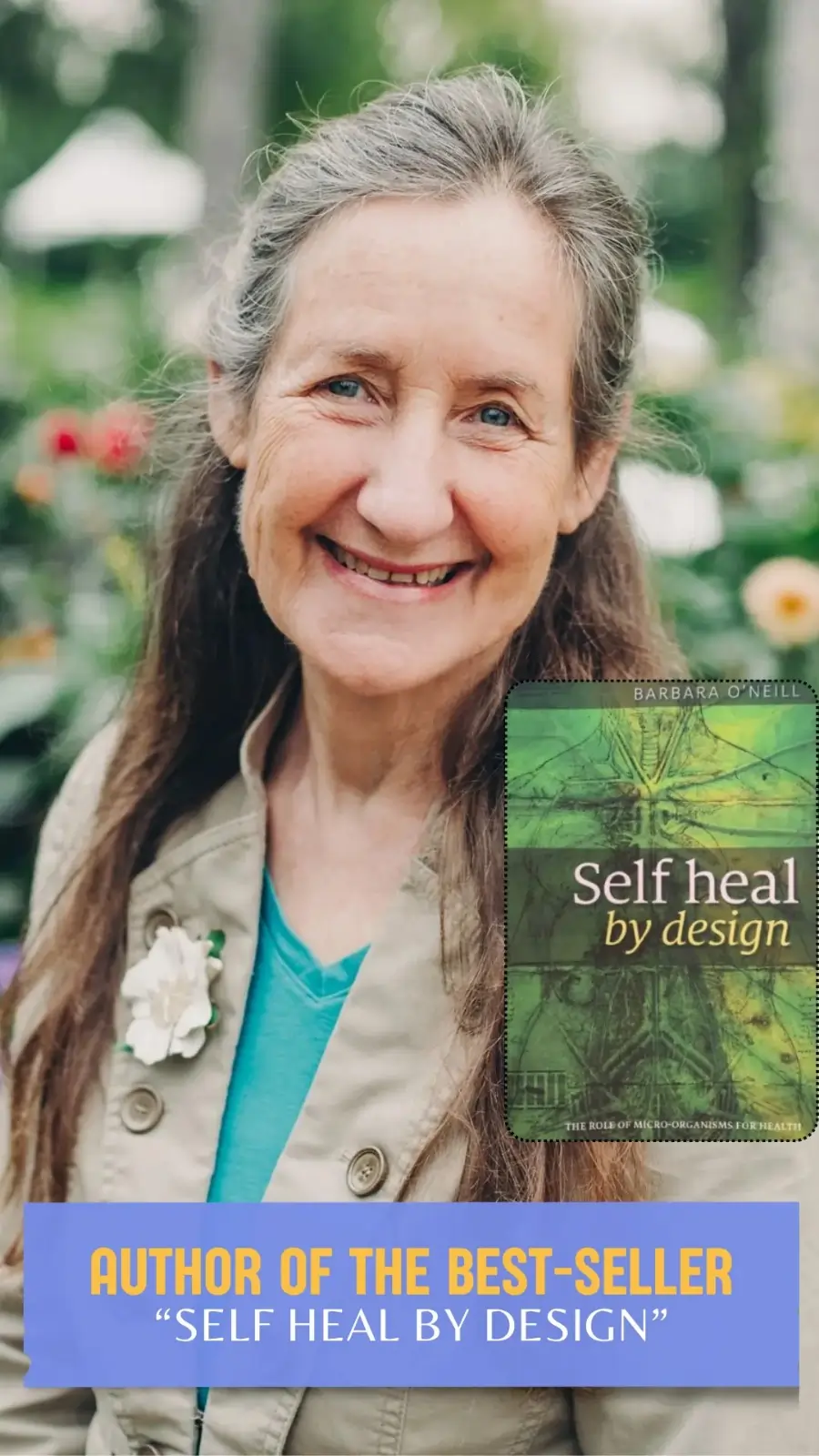
- Clinical observation highlighted by Dr. Lewis Clark and Barbara O'Neill
Research on Enzyme-Driven Tissue Degradation in Inflammatory Conditions
Researchers at Harvard Medical School have published findings on enzyme-driven tissue degradation in
inflammatory conditions - a mechanism rarely addressed in standard clinical protocols for neuropathy.
Johns Hopkins University
Research on Myelin Breakdown and Nerve Dysfunction
Johns Hopkins researchers have also explored how myelin breakdown contributes to nerve dysfunction - and why
glucose control alone is not sufficient to stop this process.
Yet most standard neuropathy treatment plans still focus only on glucose control and pain
suppression.
They are not targeting the internal enzyme cascade. And without addressing that engine, symptoms often return.
Clinical and integrative perspectives on nerve recovery
Dr. Lewis Clark and Barbara O'Neill began asking a different question. They discovered that pain relief was
not enough, because the real issue was a biochemical erosion happening silently, independent
of visible symptoms.
Their ongoing review of patient patterns and inflammatory mechanisms suggests that many protocols only treat
discomfort, without addressing what keeps the damage cycle active. Until that internal reaction is slowed,
nothing truly changes: symptoms return, damage advances, and the cycle repeats.
"Pain relief was masking the damage. Even when symptoms seemed better, the underlying nerve destruction process
continued silently."
- Clinical observation highlighted by Dr. Lewis Clark and Barbara O'Neill
Because blind trust is what keeps most people stuck in ineffective neuropathy treatment cycles.
Watch the short presentation below and decide for yourself.
It explains how eliminating sticky plaque, slowing a specific enzyme reaction, and supporting myelin
may help restore nerves from the inside out.
If the internal destructive enzyme process continues unchecked, damage progresses. But if that cascade is
interrupted early, the body may have regenerative capacity.